Reverse Holo vs Normal: Are Reverse Holos Worth More?
Reverse holos usually cost more than the normal card, but the premium hides where most people do not look. Here is what the data shows and how to value yours.
In this guide
Every Pokemon collector eventually asks it: is the reverse holo worth more than the normal card? The short answer is yes, but the interesting part is where that premium actually lives, because it is the opposite of what most people assume. The valuable reverse holos are not the rare cards. They are the cheap ones.
What a reverse holo actually is
A reverse holo is the same card with the shine on the card body instead of the artwork, a parallel of the normal print. Because it is a separate parallel, it has its own supply and its own price, which is why "is it worth more" has a real answer rather than a guess. As with any card, the finish is part of the printing: value the reverse holo as its own thing, not as the normal card plus a bonus.
The premium is real, but it is almost all in the cheap cards
We matched 1,794 cards that exist with both a normal and a reverse-holo price. The overall median reverse holo trades at about 2.6x the normal copy. But split it by rarity and the pattern flips what you would expect:
- Commons: the reverse holo is a median 4x the normal.
- Uncommons: a median 3.9x.
- Rares: a median of about 1x, barely any premium at all.
On a common or uncommon, the reverse holo is the scarcer, more collectible version, so it carries a real premium. On a rare, the card is already the chase in its normal form, so the reverse adds little. The full breakdown is in the reverse holo premium study. The takeaway for valuing your cards: do not assume the reverse of your expensive rare is a jackpot, and do not dismiss the reverse of a bulk common.
The bulk common that is secretly worth a fortune
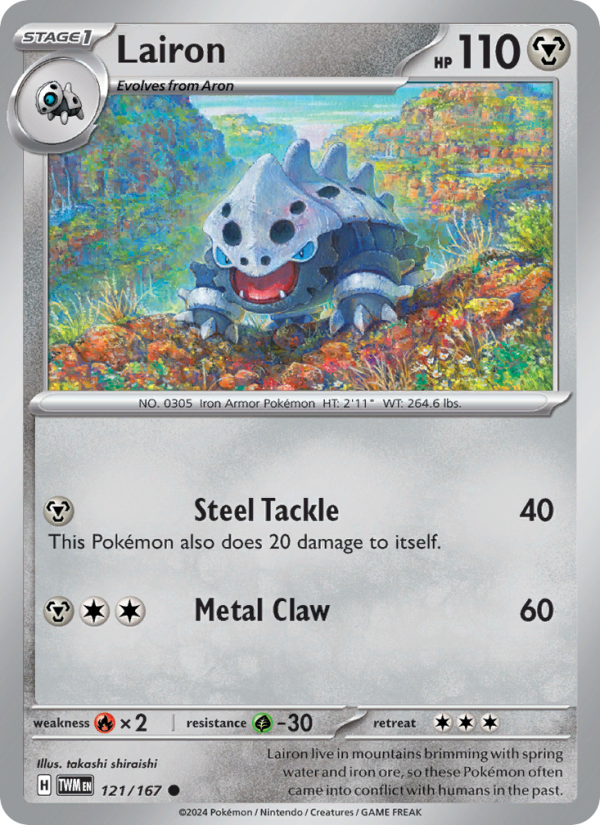
The wildest gaps sit exactly where nobody looks: old bulk commons whose reverse holos quietly became set chases. The extreme example in the data is Lairon, where a normal copy is around €0.37 while the reverse holo runs around €51, roughly 138x. It is not an isolated fluke. Any time a reverse-holo common from an older set was under-opened, it can carry a premium wildly out of line with the card's normal price. So the reverse holos worth checking are the cheap-looking commons from sets a few years old, not the obvious rares.
How to value your reverse holo in under a minute
- Pin the exact printing, and confirm the finish is reverse holo (a separate listing from the normal and the full-art holo).
- Filter to English, Near Mint or better.
- Average the four lowest current offers on the reverse-holo listing. That is what it is genuinely selling for.
This is the same method as what's my trading card worth, applied to the reverse-holo parallel specifically. To pull the exact printing and its live value without hunting by hand, scan a card →. And for the full-foil question (holo and foil, not reverse), see foil vs non-foil.
Where this matters when you sell
Reverse holo is one of the fields sellers most often skip, and it cuts both ways: list a reverse as a normal and you undersell a common that might be a chase; list a normal as a reverse and you get a return. State the finish exactly. When you are ready, open a free shop and list your cards → with the correct parallel and price, no marketplace fee, and buyers can browse real shops and order across many cards at once.